
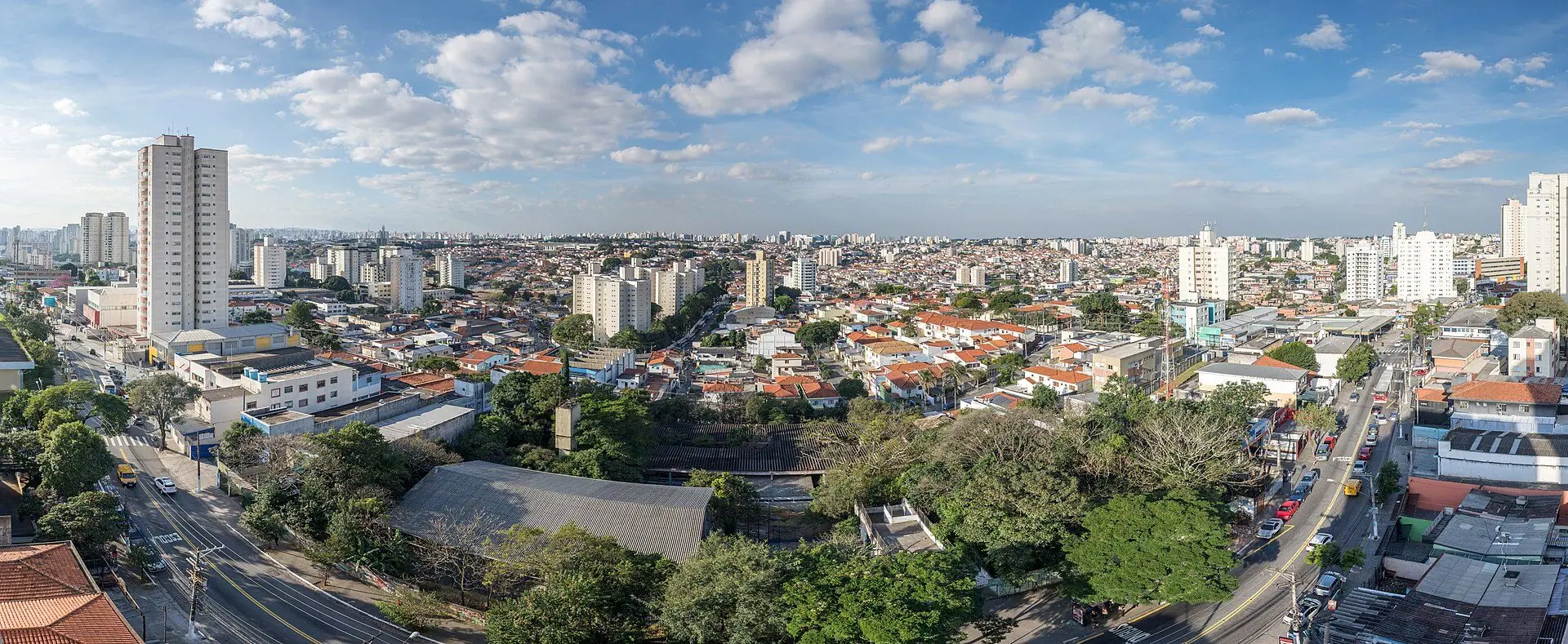
Customs and immigration on a private flight to Brazil
A foreign private or charter aircraft arriving from abroad makes its first landing and last take-off in Brazil at an international airport, where health, customs and police formalities are completed before it flies on.
- First landing
- International airport
- Private flight notice
- At least 24 hours
- Cash declaration
- Over US$ 10,000
- Duty-free allowance
- US$ 1,000 by air
How arrival works
The aircraft must make its first landing at an international airport, where the airport notifies the health, customs and police authorities and the flight continues only once their formalities are done. A private flight needs at least 24 hours' notice; a paid non-scheduled flight by a foreign operator needs prior authorisation from ANAC.
Federal rules decide where a foreign aircraft lands first and what it needs before arrival. Customs follows the Receita Federal rules, and Polícia Federal and health formalities are completed at the international airport of entry.
The operator and the ground handler arrange the notice or authorisation and send passenger details ahead. Tell us every passenger's nationality when you ask for a quote so we can confirm visa needs before the flight is booked.
Sources:ANAC legislation: Decreto nº 97.464 of 20 January 1989, entry and overflight of foreign civil aircraft not on scheduled international servicesReceita Federal: guide for travellers entering Brazil, rules for the e-DBV declaration
Rules for foreign aircraft on non-scheduled flights
Decreto 97.464 of 1989, published on ANAC's legislation pages, sets the rules for foreign civil aircraft that are not on scheduled international services.
For a foreign aircraft flying on to another Brazilian airport after its first international landing, a trade guide describes an ANAC flight authorisation (AVANAC) under Resolution 178, requested at least 24 hours before the landing and valid for 60 days at first. We could not read the Brazilian AIP on DECEA's AISWEB, so the list of international airports and the current notice periods are confirmed by the operator on every flight.
| Rule | What the decree says |
|---|---|
| First landing and last take-off | At an international airport (Article 5) |
| Formalities | The airport notifies health, customs and police authorities; the flight continues only after their formalities are met (Article 6) |
| Private flight, no paying passengers or cargo | Notice of at least 24 hours, with shorter notice accepted in exceptional cases (Article 2) |
| Paid non-scheduled flight | Prior authorisation needed to enter or overfly Brazil (Article 3) |
| Documents | A Termo de Entrada for paid flights, or a Termo de Entrada e Admissão Temporária for unpaid flights (Article 8) |
| Length of stay | 60 days at first, extendable in periods of 45 days (Article 9) |
The commander takes formal responsibility for fees and presents the documents at the first international airport (Article 7). For foreign air carriers, ANAC's IS 129-001 says prior authorisation for non-scheduled flights is requested from ANAC.
Sources:ANAC legislation: Decreto nº 97.464 of 20 January 1989, entry and overflight of foreign civil aircraft not on scheduled international servicesANAC: Supplementary Instruction IS 129-001 Revision C, procedures for foreign air carriers in Brazil, in force 2 January 2023 (English version)Permit2Fly: Brazil overflight and landing rules 2026, AVANAC under ANAC Resolution 178 (trade guide)
Tell us the dates and passengers. A specialist replies with aircraft options and an all-in price, around the clock.
Passports and visas
- Polícia Federal requirements stay in force for these flights (Article 1 of the decree), and passengers and crew complete police formalities at the international airport of first landing.
- Since 10 April 2025, citizens of the United States, Canada and Australia need an electronic visa, applied for online in advance, for stays of up to 90 days. The fee was reported as US$ 80.90.
- Visa rules depend on nationality and change, so we check them for every passenger before the flight is booked.
Sources:ANAC legislation: Decreto nº 97.464 of 20 January 1989, entry and overflight of foreign civil aircraft not on scheduled international servicesPANROTAS, 8 April 2025: Brazil starts requiring visas for citizens of the US, Canada and Australia
Customs allowances and declarations
| Item | Rule |
|---|---|
| Electronic declaration | Any traveller with goods to declare must complete the e-DBV |
| Cash | Declare cash in reais or foreign currency over US$ 10,000 or the equivalent |
| Duty-free allowance | Goods up to US$ 1,000 in total arriving by air, within quantity limits |
| Frequency | The allowance applies only if you have not used it on another trip in the previous 30 days |
| Arrival duty-free shops | Purchases can enter without declaration, within their own limits |
The Receita Federal guide does not set out separate rules for crew or for private aircraft. Goods that are not baggage, including aircraft engines and parts, follow other customs rules.
Sources:Receita Federal: guide for travellers entering Brazil, rules for the e-DBV declaration
Questions, answered
Still deciding? A charter specialist will talk you through aircraft, airports and price, with no obligation.
Ask a specialistWhere must a private jet land first in Brazil?+
At an international airport. Decreto 97.464 of 1989 requires foreign aircraft on non-scheduled flights to make their first landing and last take-off at an international airport.
How much notice does a private flight into Brazil need?+
The decree requires at least 24 hours' notice for a foreign aircraft carrying no paying passengers or cargo. A paid non-scheduled flight needs prior authorisation.
How much cash can I bring into Brazil?+
You must declare cash in reais or foreign currency over US$ 10,000 or the equivalent, using the e-DBV.
What is the duty-free allowance arriving by air?+
US$ 1,000 in total, within quantity limits, once in any 30-day period.
Fares, dates and rules on this page were checked on 19 October 2026. Official fares and schedules change every season; the operator or authority named in each source has the final word.
- 1.ANAC legislation: Decreto nº 97.464 of 20 January 1989, entry and overflight of foreign civil aircraft not on scheduled international services
- 2.Receita Federal: guide for travellers entering Brazil, rules for the e-DBV declaration
- 3.ANAC: Supplementary Instruction IS 129-001 Revision C, procedures for foreign air carriers in Brazil, in force 2 January 2023 (English version)
- 4.Permit2Fly: Brazil overflight and landing rules 2026, AVANAC under ANAC Resolution 178 (trade guide)
- 5.PANROTAS, 8 April 2025: Brazil starts requiring visas for citizens of the US, Canada and Australia
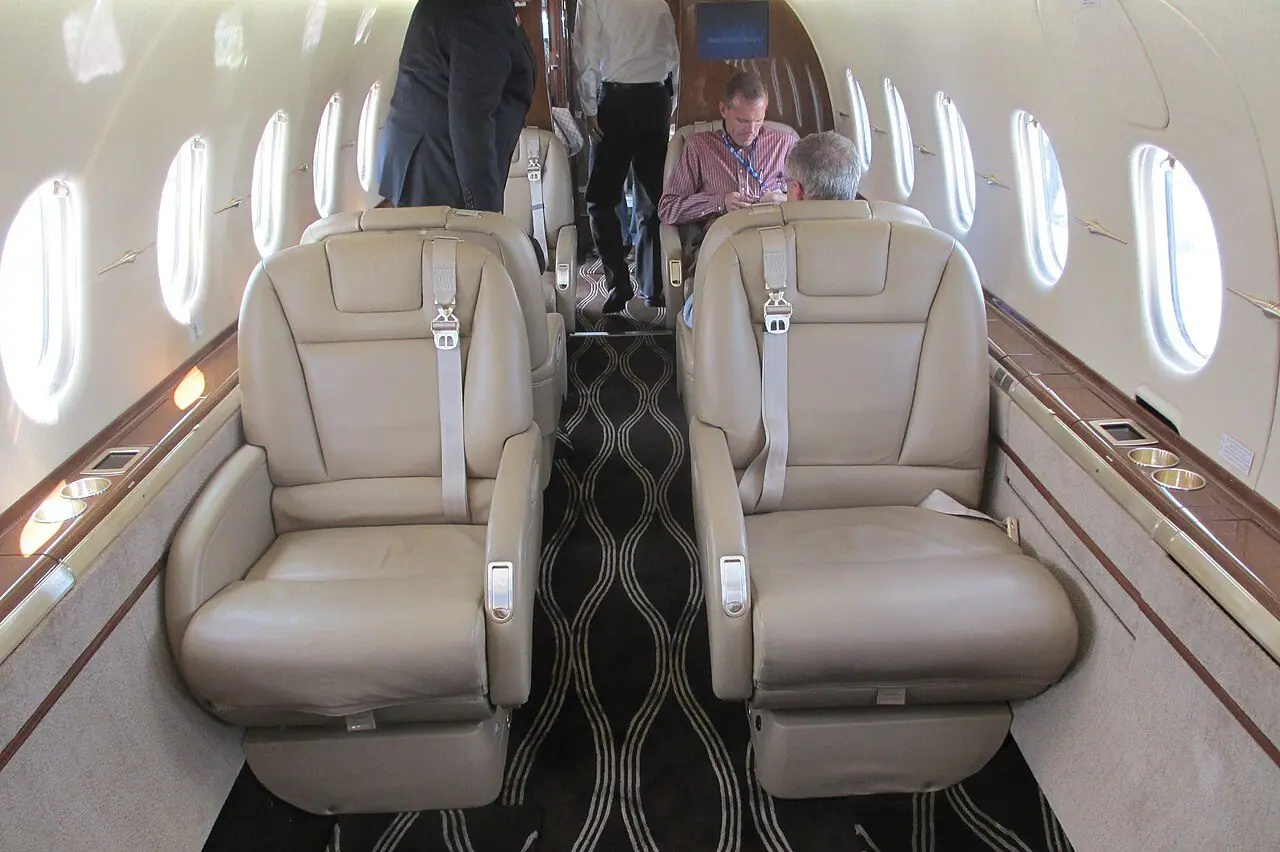
Permits and paperwork handled.
A specialist replies around the clock with aircraft options, the operator's name and an all-in price.