
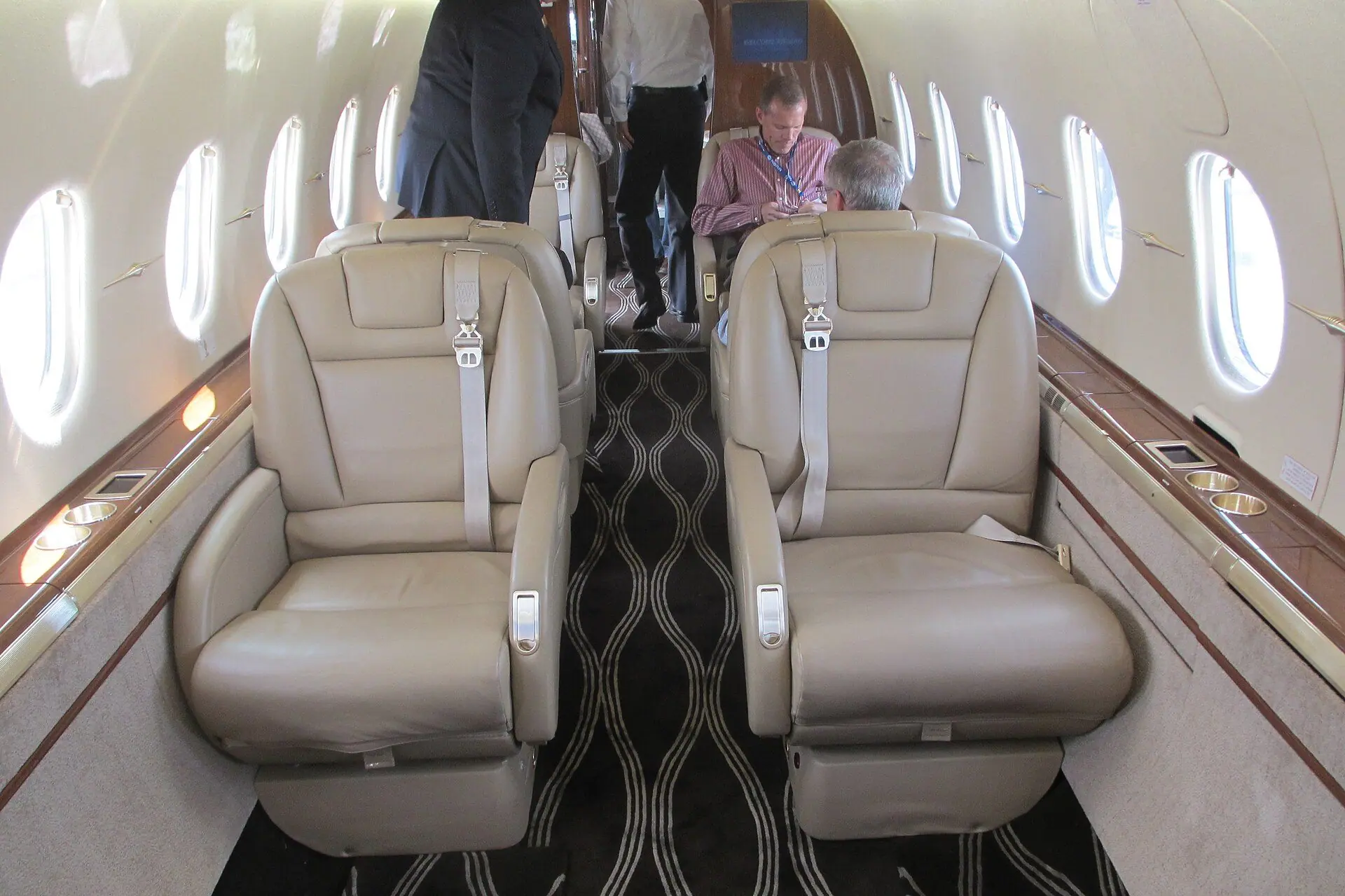
Flying private to Switzerland with your dog or cat
From the EU, a dog or cat needs a microchip, a valid rabies vaccination and a pet passport. From outside the EU it must be presented at customs, and an accompanied pet must arrive at Basel, Geneva or Zurich airport.
- Microchip
- Before the rabies vaccination
- Vaccination valid
- 21 days later
- Third-country entry
- Basel, Geneva, Zurich
- Authority
- FSVO (BLV)
What the rules depend on
Yes, if it meets the rules of the Federal Food Safety and Veterinary Office (FSVO). From the EU and low-rabies countries it needs a microchip, a valid rabies vaccination and a pet passport. From third countries it must be presented to customs on arrival, and accompanied pets may enter only at Basel, Geneva or Zurich airports. From rabies-risk countries it also needs a titre test and, for a direct flight, an FSVO import authorisation.
The rules depend on where the flight starts. From the EU the paperwork is short. From rabies-risk countries the FSVO warns of long waiting times, so start early.
The microchip must come before the vaccination. The first rabies vaccination is possible from 12 weeks of age and becomes valid 21 days later. Young animals up to 16 weeks that have not completed their vaccinations need an EU owner declaration.
Animals with missing documents are refused entry at the control. The FSVO's online entry check at kwk.blv.admin.ch shows the rules for your departure country. Cabin rules for pets are set by each operator, so we confirm them before you book.
Sources:Federal Food Safety and Veterinary Office (FSVO/BLV): travelling with dogs, cats and ferrets
What your dog or cat needs
| Coming from | What the pet needs | Where it can arrive |
|---|---|---|
| EU and low-rabies countries | Microchip, valid rabies vaccination and a recognised pet passport | Not every border crossing accepts all animals; the FSVO points to the BAZG list of customs offices |
| Third countries with low rabies risk | Microchip, valid rabies vaccination, and a Swiss or EU pet passport or a health certificate from the exporting country (EU 2026/705 model); presented at the red customs exit | Accompanied: Basel, Geneva or Zurich airports |
| Rabies-risk countries | All of the above, plus a rabies antibody titre test from an approved laboratory; direct flights need an FSVO import authorisation; animals under seven months may not enter | Accompanied: Basel, Geneva or Zurich airports |
From the FSVO's page on travelling with dogs, cats and ferrets. The FSVO's list of rabies-risk countries is dated June 2026.
Sources:Federal Food Safety and Veterinary Office (FSVO/BLV): travelling with dogs, cats and ferrets
Tell us the dates and passengers. A specialist replies with aircraft options and an all-in price, around the clock.
Flying in from outside the EU
- 01Check the country
Find your departure country on the FSVO's list of rabies-risk countries, or use its online entry check.
- 02Chip, then vaccinate
The microchip must come first. A first rabies vaccination becomes valid 21 days after it is given.
- 03Titre test if needed
From a rabies-risk country, have the vaccination checked by a designated laboratory; the FSVO links to the EU's list of approved laboratories.
- 04Apply for the authorisation
For a direct flight from a rabies-risk country, apply to the FSVO for an import authorisation on its form.
- 05Choose the airport
Accompanied pets from third countries must arrive at Basel, Geneva or Zurich, so we plan the flight to one of them.
- 06Declare on arrival
Present the animal and its documents at the red customs exit.
Sources:Federal Food Safety and Veterinary Office (FSVO/BLV): travelling with dogs, cats and ferrets
Other rules to know
- Importing dogs with docked ears or tails is prohibited.
- If you travel separately, an authorised person may bring the pet when you travel within five days before or after it, with your written declaration kept with the pet passport.
- Animals that cannot be vaccinated for medical reasons need an import application, which is granted only if duly justified.
- Protected species fall under CITES rules.
- Leaving Switzerland, the destination country's rules apply, and the cantonal veterinary service issues certificates for leaving. Plan the return too, as re-entry rules must be met.
Sources:Federal Food Safety and Veterinary Office (FSVO/BLV): travelling with dogs, cats and ferrets
Questions, answered
Still deciding? A charter specialist will talk you through aircraft, airports and price, with no obligation.
Ask a specialistWhat does my dog need to fly from France to Switzerland?+
A microchip, a valid rabies vaccination given after the chip, and a recognised pet passport.
Which Swiss airports accept pets from outside the EU?+
Accompanied animals, in the cabin or as excess luggage, must arrive at Basel, Geneva or Zurich airports.
Can I bring a puppy or kitten?+
The first rabies vaccination is possible from 12 weeks and is valid 21 days later. Young animals up to 16 weeks that are not fully vaccinated need an EU owner declaration. From rabies-risk countries, animals under seven months may not enter.
Can I bring a dog with a docked tail?+
No. Importing dogs with docked ears or tails is prohibited.
Can my dog sit with me in the cabin?+
That is set by each operator. We confirm the cabin rules, size and number of pets before you book.
Fares, dates and rules on this page were checked on 19 October 2026. Official fares and schedules change every season; the operator or authority named in each source has the final word.
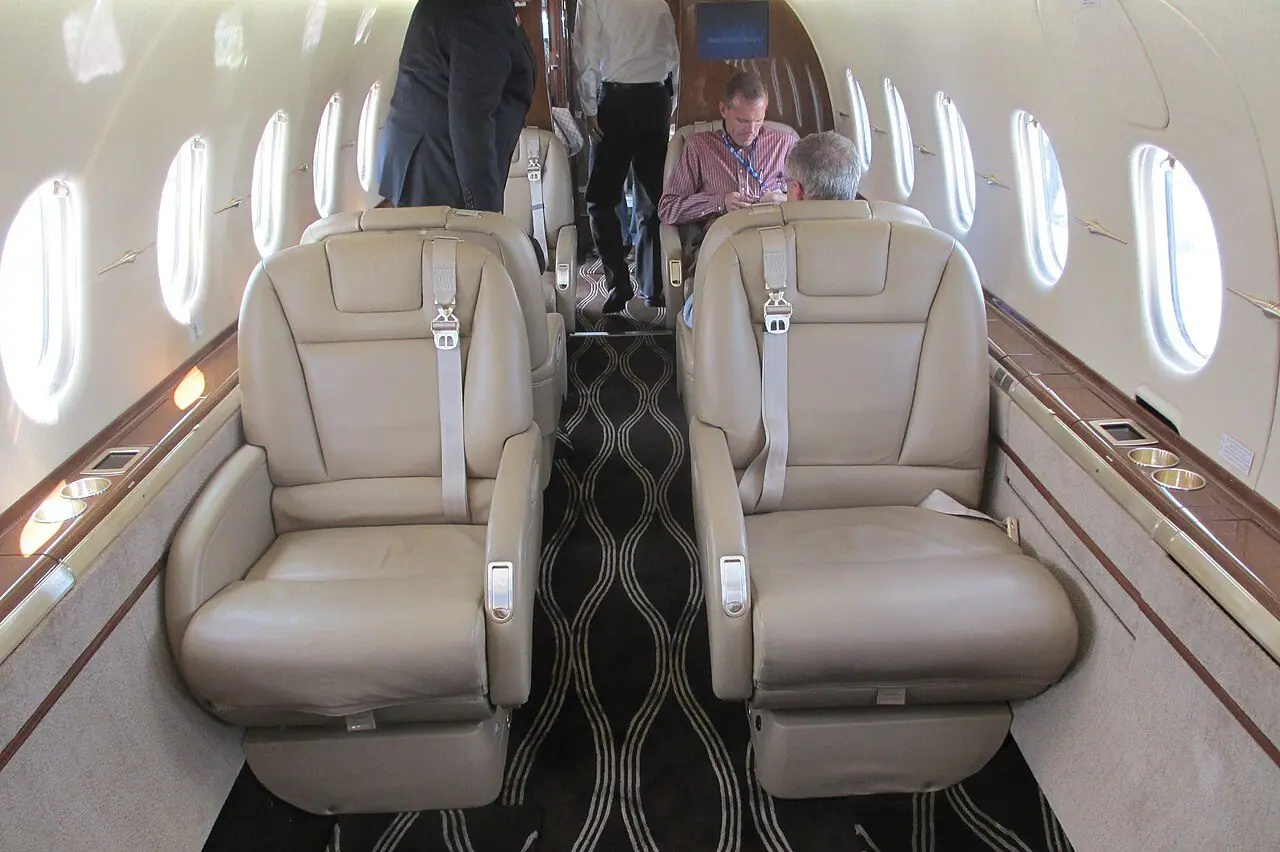
Bring the whole family.
A specialist replies around the clock with aircraft options, the operator's name and an all-in price.