Why private flying suits pets
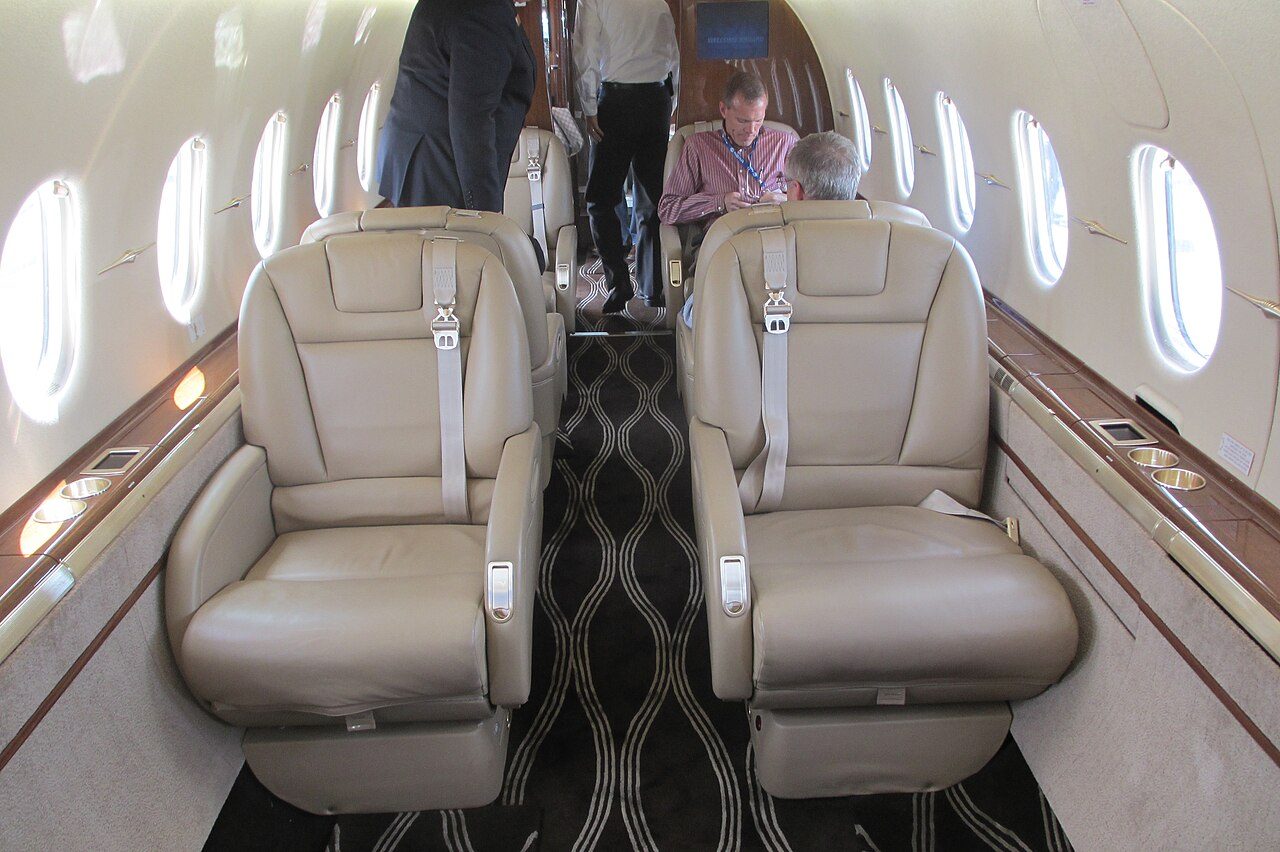
Airline pet rules are built around a carrier small enough to fit under the seat. On a chartered aircraft, you agree the arrangements with the operator in advance, and many operators let a well-behaved pet ride in the cabin with you.
You also skip the main terminal. Private flights leave from fixed-base operators, or FBOs, where you can keep your pet with you until boarding and avoid long queues. Fewer people and less noise make the day easier on anxious animals.
The trade-off is cost, because you charter the whole aircraft. A light jet typically charters for $5,500 to $9,850 per hour, and a midsize jet with more floor space for a large dog runs about $9,790 to $10,840 per hour, before taxes and fees.
Operator policies vary
There is no single private jet pet policy. CNBC reported that each aircraft owner and operator sets its own rules on which animals it accepts and how many, and asks owners to plan ahead with the pet's type, size and weight.
Conditions you may meet include a crate for some or all of the flight, limits on size or number, and a cleaning charge if the cabin needs extra work. Some operators charge for cleaning only when a pet makes a mess. Some aircraft may not be available for pets at all, because the owner's rules apply to that aircraft.
Because the rules belong to each aircraft, pet details belong in your first request, not in a message the day before departure.
What to tell your broker
Give the full picture when you ask for a quote: species, breed, age and weight, the number of animals and the dimensions of any crate you plan to bring. Say whether you want the pet in a crate, on the floor or beside you, so the operator can confirm what its procedures allow.
Mention anything that affects the plan, such as a nervous traveler who needs a quiet cabin or a long trip that needs a stop for a walk. Ask your vet before giving any medication for travel.
Share the destination and dates early. For some countries, paperwork takes weeks or months, and it can decide whether the trip is possible at all.
Pets on flights within the US, including Hawaii
For travel between states, USDA APHIS does not endorse health certificates. Each destination state or territory sets its own requirements, and APHIS directs owners to the destination state veterinarian's office. Carry your pet's vaccination records on every trip.
Hawaii is the major exception. It is rabies-free, and its rules apply to every dog and cat, puppies and kittens included. Animals that qualify for the 5 Day Or Less program can be released directly at Daniel K. Inouye International Airport in Honolulu after inspection. Animals that do not qualify can be quarantined for up to 120 days.
Direct release requires proof of two rabies vaccinations and a passing FAVN rabies antibody test. At least 30 days must pass after the passing test, and after the most recent vaccination, before arrival. Documents must reach the Hawaii Department of Agriculture at least 10 days before arrival. Direct release on a neighbor island is possible at Kona, Kahului and Lihue with a Neighbor Island Inspection Permit, arranged in advance with an approved veterinary facility.
Hawaii's published guidance is written around airline arrivals, so confirm the arrival airport and inspection arrangements for a private aircraft with the department before you book.
Leaving the US with a pet
Every country sets its own import rules, and USDA APHIS publishes country-by-country guidance. APHIS advises contacting a USDA-accredited veterinarian as soon as you decide to travel, because meeting the requirements can take from a few weeks to many months.
The accredited vet issues the health certificate and handles any vaccinations, tests or treatments. Where the destination requires it, APHIS reviews and endorses the certificate. Very few countries require APHIS to examine the pet itself.
If your dog will come back to the US after visiting a country the CDC classes as high-risk for dog rabies, plan the return before you leave. The CDC requires a Certification of U.S.-Issued Rabies Vaccination, which must be endorsed by USDA before the dog leaves the United States.
Bringing a dog into the US
The CDC is the primary authority for dogs entering or returning to the US. Its rules depend on where the dog has been in the previous six months and where it was vaccinated. Dogs must be at least six months old, carry a microchip that a universal scanner can read, appear healthy and have a CDC Dog Import Form receipt.
For a dog that has been only in rabies-free or low-risk countries, the receipt is the only document required, and the dog can arrive at any airport. The receipt is valid for six months and can cover repeat entries from the same departure country.
US-vaccinated dogs that have been in a high-risk country can also arrive at any airport, as long as the port matches the receipt and they carry the USDA-endorsed certification. Dogs vaccinated abroad that have been in a high-risk country may enter only at a US airport with a CDC-registered animal care facility where they hold a reservation. There are no such facilities in Alaska, Hawaii or US territories.
Plan a private arrival around these rules: if your dog needs an animal care facility, the flight must land at that airport. These CDC rules cover dogs. Check CDC and APHIS guidance separately for cats and other pets.
Flying a pet to India
India's Animal Quarantine and Certification Service (AQCS) handles pet imports at the port of entry. Its standard procedure for pet dogs, which APHIS republishes, allows three cases. The first is transfer of residence, with proof of two years overseas and of relocation. The second is the re-import of a dog that left India with an AQCS export certificate. The third is a short stay under a Directorate General of Foreign Trade licence.
In each case you apply to AQCS at least seven working days before departure, with the application, a veterinary health certificate and supporting records, and receive an advance No Objection Certificate. The procedure states that the airline will not carry the dog until that advance certificate is issued. A final certificate follows an examination on arrival.
AQCS lists offices in New Delhi, Mumbai, Bengaluru, Hyderabad, Chennai and Kolkata, so plan a private arrival into one of those cities. The Consulate General of India in San Francisco also notes a limit of two dogs or cats per passenger, and rabies vaccination at least 30 days and no more than one year before travel. Confirm current requirements with AQCS before booking.
Service animals and the day of travel
DOT's Air Carrier Access Act rule, 14 CFR Part 382, defines a service animal as a dog, of any breed or type, individually trained to do work or perform tasks for a person with a disability. Emotional support and comfort animals are not service animals under that rule. Carriers may ask for DOT's service animal forms up to 48 hours before travel. Tell your broker early whether an animal is a service animal or a pet, so the operator can confirm its procedure.
On the day, arrive early enough for a walk before boarding and ask the FBO where pets can relieve themselves. Bring a leash, water, a familiar blanket, absorbent pads and cleaning supplies. Keep printed or digital copies of every document in your hand luggage.
Sources
- CDC: Bringing a Dog into the United States
- CDC: Dogs arriving from rabies-free or low-risk countries
- CDC: Frequently Asked Questions on Dog Importations
- USDA APHIS: Pet Travel
- USDA APHIS: Frequently Asked Questions About Traveling With Your Pet
- Hawaii Department of Agriculture: Animal Quarantine Information
- AQCS India: Procedure for import of pet dogs (published by USDA APHIS)
- Consulate General of India, San Francisco: Imports of Pet Animal
- eCFR 14 CFR Part 382: Nondiscrimination on the Basis of Disability in Air Travel
- CNBC: After dog death on flight, private jet companies jump in (2018)