Charter flight, defined
A charter flight is a flight where you hire the whole aircraft instead of buying a seat. You choose where it departs, where it lands and when it leaves. A licensed operator supplies the aircraft, the crew and the fuel, and the price is for the aircraft, not per passenger.
Regulators in both of our markets describe it the same way. India's Directorate General of Civil Aviation (DGCA) defines a charter as a hire and reward operation where the departure time and locations are negotiated with the customer for the entire aircraft, and no ticket is sold to individual passengers. In the US, federal rules call this a single entity charter: one party pays for the entire capacity of the aircraft, and the cost is not passed on to individual passengers.
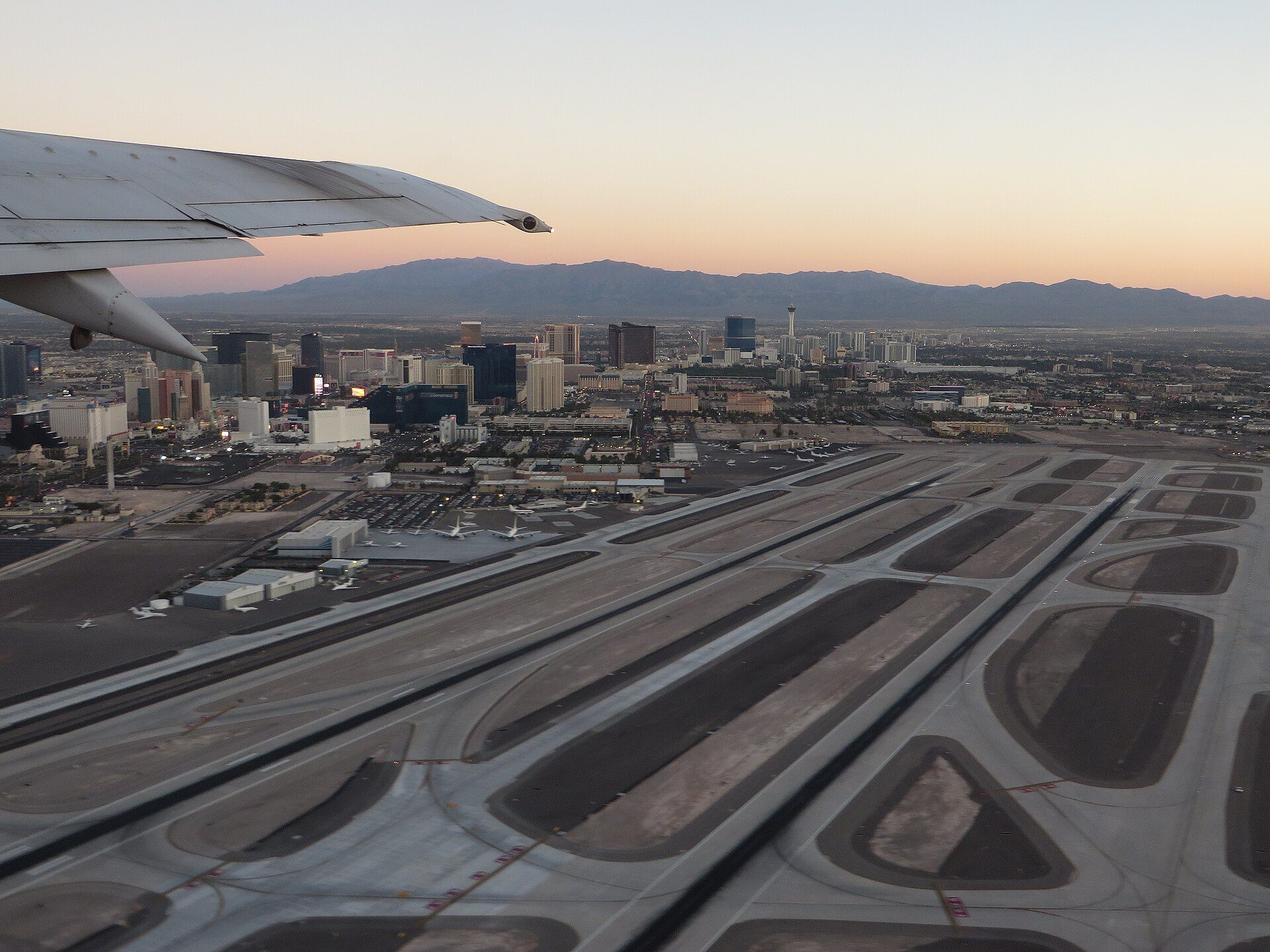
That is the core difference from an airline. An airline sells seats on a published timetable. A charter has no timetable. It flies when you are ready, and often from airports the airlines do not use. The National Business Aviation Association (NBAA) points out that charter flights can use more than 5,000 public-use airports in the US, more than ten times the number served by airlines.
Who actually flies your charter
Every charter is flown by an operator that holds a commercial licence for it. In India, that is a company holding a Non-Scheduled Operator Permit (NSOP) from the DGCA. The permit is issued under Civil Aviation Requirements Section 3, Series C, Part III, which sets minimum airworthiness, operational and procedural standards. Only Indian citizens, or companies registered in India with substantial Indian ownership and effective control, can hold one.
In the US, charter operators hold an FAA certificate under 14 CFR Part 135. According to the FAA, Part 135 on-demand operations cover aeroplanes with 30 or fewer passenger seats and a maximum payload of 7,500 pounds, as well as any helicopter. Larger aircraft are flown by Part 121 air carriers.
A broker is different. A broker arranges the flight for you but does not own or operate aircraft. US rules in 14 CFR Part 295 define an air charter broker as a business that sells or arranges single entity charter using a direct air carrier, and require brokers to state clearly that they are not the operator and that the flight will be provided by a properly licensed carrier.
Altivo is a broker. In India every Altivo flight is operated by an NSOP holder. In the US it is operated by a Part 135 or Part 121 air carrier, and Altivo acts as your agent under Part 295. The operator's name is on every quote and every contract, so you always know who is flying you.
Why charter rules are stricter than private flying
In the US, a jet flying its owner on private business usually operates under Part 91, the general operating rules. Once passengers pay to be carried, the flight must run under Part 135, which is more demanding. Business Jet Traveler sums up the main differences: Part 135 sets duty time and rest limits for pilots, higher pilot qualification standards, drug and alcohol testing for crews, maintenance to Part 135 standards and tighter weather rules. Part 91 in theory allows a take-off in zero visibility. Part 135 does not.
India works on the same principle. Carrying passengers for hire on a non-scheduled flight requires an NSOP under Rule 134A of the Aircraft Rules, 1937, and the DGCA oversees those operators. The sector is busy and growing. Business Standard reported in February 2026, citing DGCA data, that India had 133 non-scheduled operators with 445 aircraft in service, including 214 fixed-wing aircraft and 220 helicopters. Domestic fixed-wing passengers on these operators rose from 135,388 in 2023-24 to 157,208 in 2024-25.
For you, the practical point is simple. Safety standards come from the operator's certificate, not from the broker or the aircraft owner. That is why the operator's identity matters more than the brand on the website.
Which aircraft can you charter?
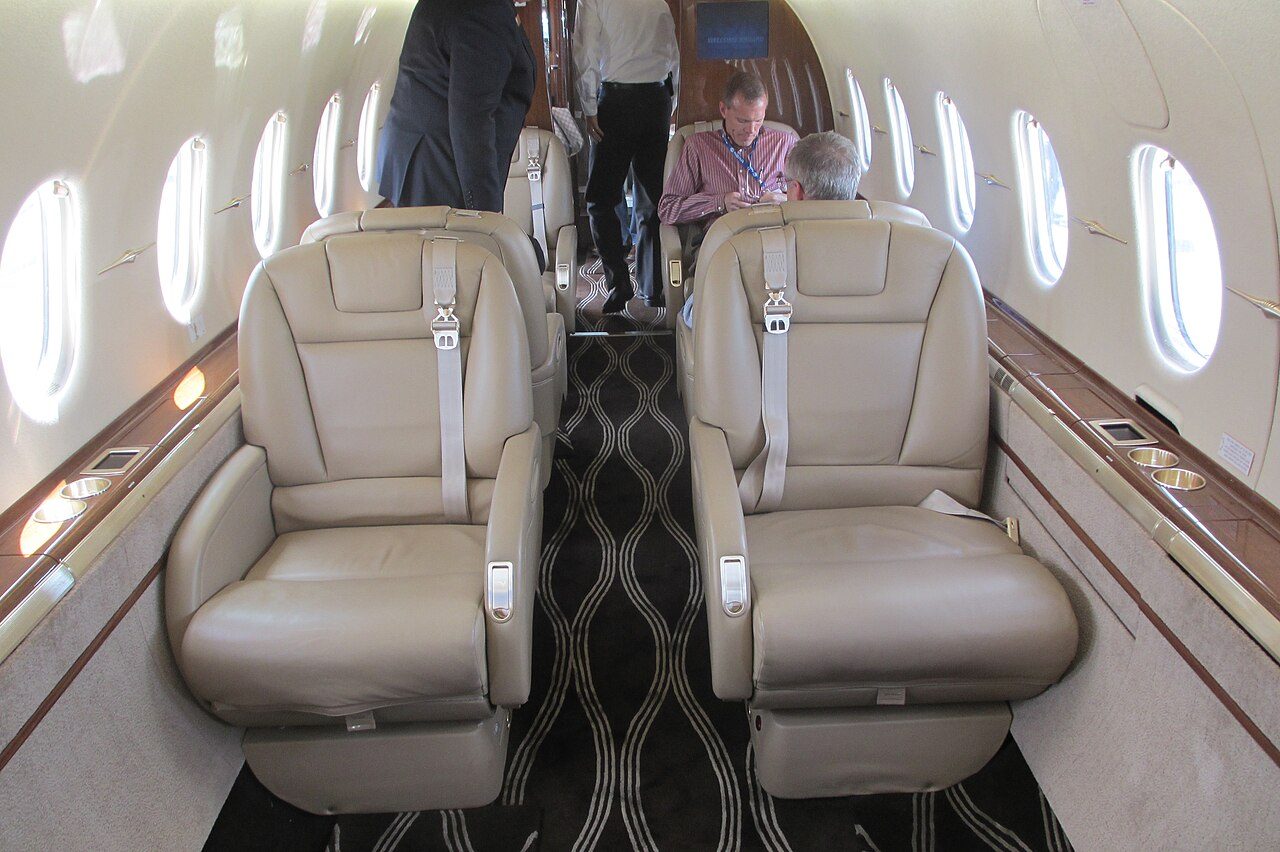
Charter aircraft are grouped by size and range. Altivo quotes six categories: turboprops (6 to 9 seats), light jets (4 to 8 seats), midsize jets (7 to 9 seats), super-midsize jets (8 to 10 seats), heavy jets (10 to 19 seats) and helicopters. Seat counts vary with the cabin layout, so every quote names the exact aircraft type.
Turboprops and light jets suit short and regional trips with a small group. Midsize and super-midsize jets add cabin space and range for longer domestic sectors. Heavy jets are built for long-haul and intercontinental flights, with larger cabins often split into separate areas. Helicopters cover short hops to places with no runway at all.
The right choice depends on four things: how many people are travelling, how much luggage they carry, how far you are going and which airports or helipads you need. Pick the smallest aircraft that does the job comfortably and you will usually pay the least.
What a charter costs and what the quote includes
Charter is priced per aircraft, mainly by flying time. A light jet typically charters for ₹2.48 lakh to ₹3.52 lakh per hour in India and $5,500 to $9,850 per hour in the US, for the whole aircraft before taxes. Turboprops start from ₹1.49 lakh per hour in India and $4,020 per hour in the US. A heavy jet runs ₹6.99 lakh to ₹10.01 lakh per hour in India and $15,070 to $18,480 per hour in the US.
Flying time is not the whole bill. The NBAA's charter consumer guidance lists the other costs to ask about, including one-way fees, fuel surcharges, waiting time, crew travel and overnight charges, landing fees, catering and taxes. A one-way trip can carry a one-way fee, because the aircraft often has to fly back empty.
In the US, charter is taxed much like airline travel. The FAA's 2026 schedule of aviation excise taxes lists a 7.5 percent domestic passenger ticket tax plus a domestic flight segment tax of $5.30 per passenger per segment, with a separate per-passenger tax on international arrivals and departures. The FAA tells charter customers that legitimate operators must charge federal excise tax. In India, GST applies to charter.
Altivo quotes are all-in. In India they are in rupees with GST shown as a separate line. In the US they are in dollars with federal excise tax included. The extras above are counted in the number you see before you confirm.
How to check a charter is legitimate
The FAA's advice to anyone thinking of chartering is direct: ask to see the operator's Air Carrier or Operating Certificate, and if they will not show it, choose an operator that will. The FAA also publishes a list of Part 135 operators and the aircraft each one is authorised to fly, updated weekly and searchable by operator name or registration number.
The FAA lists red flags too. Be wary if no federal excise tax is charged, if a company supplies the aircraft and a pilot but asks you to sign a document taking operational control, if there is no safety briefing, or if anyone coaches you on what to tell an inspector. As the FAA puts it, if the deal sounds too good to be true, it probably is.
In India, ask for the operator's name and confirm it holds a current NSOP from the DGCA. With Altivo you do not need to ask: the operator is named on every quote and contract, so you can check it before you pay.
How booking a charter with Altivo works
Tell us the route, date, preferred time, number of passengers and roughly how much luggage you are bringing. Our quote desk works around the clock, so you can send a request at any hour.
We match the trip to suitable aircraft from licensed operators and send an all-in quote that names the aircraft and the operator. Once you confirm, you sign a contract that also names the operator. If your plans are flexible, we can alert you by email to empty legs on your route, which are priced below a full charter.
On the day, you go to the departure terminal or private aviation terminal named in your itinerary. In the US, Business Jet Traveler notes that charter passengers aged 18 and over must show government-issued photo ID. In India, carry the identification the airport and operator ask for.
Sources
- DGCA CAR Section 3, Series C, Part III: Non-Scheduled Air Transport Services (Rev. 7, 2021)
- 14 CFR 295.5: Definitions (air charter brokers)
- 14 CFR 295.23: Advertising by air charter brokers
- FAA: Part 135 certification, general information
- FAA: Thinking of chartering an aircraft?
- FAA: Part 135 operators and aircraft list
- FAA: Current aviation excise tax structure and rates, 2026
- Business Jet Traveler: The whole truth about Part 91 and Part 135
- Business Standard: India's private skies under scrutiny as charter flights get busier (2026)
- NBAA: Aircraft charter consumer guide