What an NSOP is
NSOP stands for Non-Scheduled Operator Permit. It is the permit the Directorate General of Civil Aviation (DGCA) grants to a company that wants to fly passengers for hire and reward without running a scheduled airline. If you charter a private jet or a helicopter in India, the company that actually flies it must hold one.
DGCA's rules define a non-scheduled service simply as an air transport service other than a scheduled one. A scheduled service flies between the same places to a published timetable, or so regularly that the flights form a recognisably systematic series. Anything flown on demand, at a time and on a route the customer chooses, sits on the non-scheduled side.
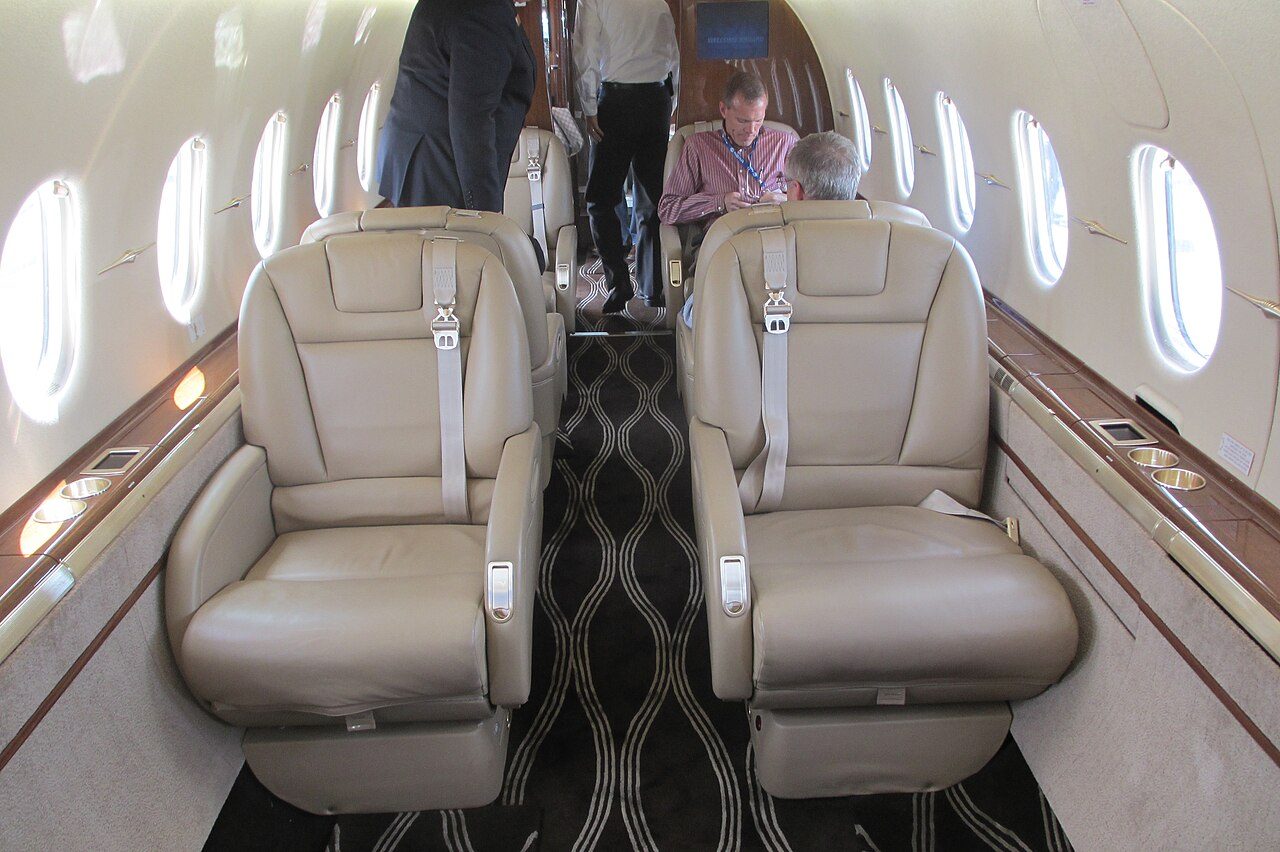
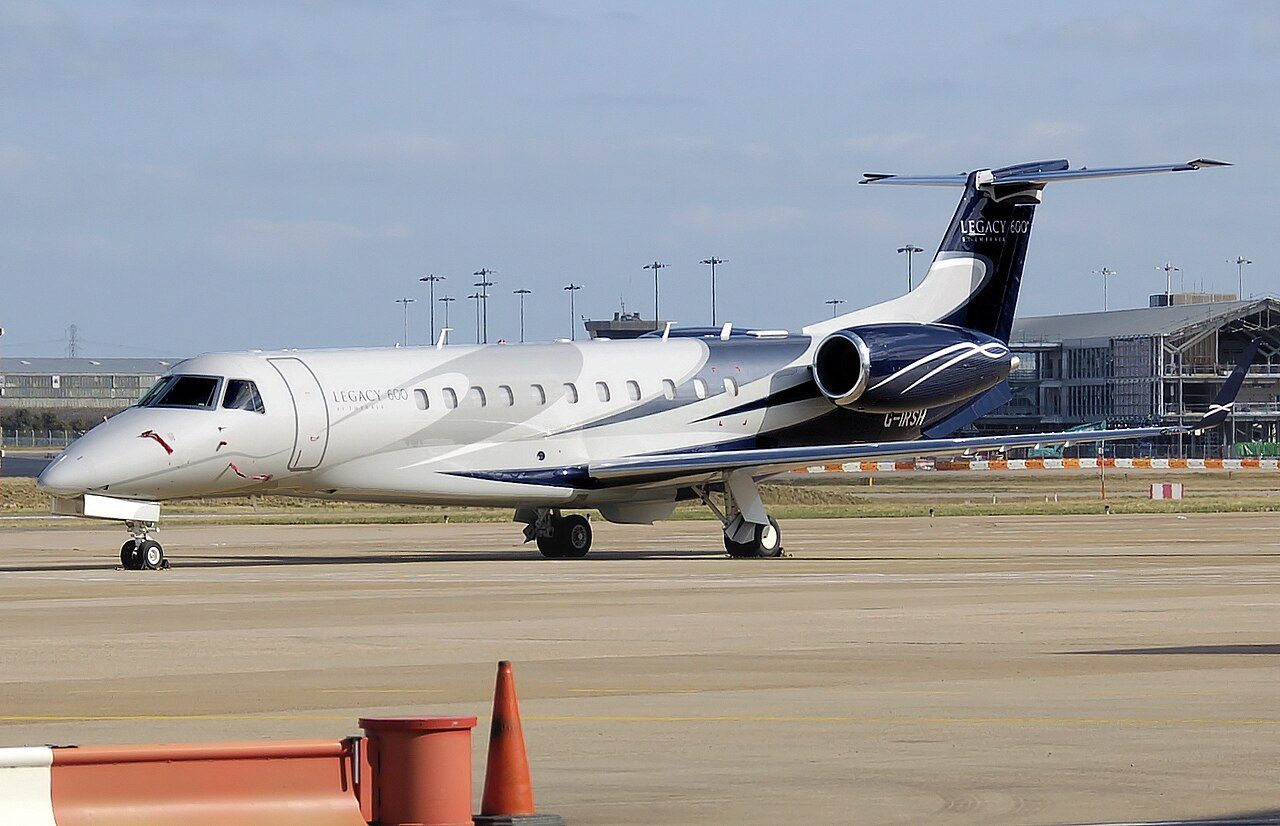
A charter is the most common non-scheduled operation. In DGCA's wording, the departure time and places are specially negotiated and agreed with the customer for the entire aircraft, and no ticket is sold to individual passengers. You are hiring the whole aircraft, its crew and its operator's safety system, not buying a seat.
The legal basis in 2026
Indian civil aviation now rests on the Bharatiya Vayuyan Adhiniyam, 2024, which replaced the Aircraft Act, 1934 from 1 January 2025. The Ministry of Civil Aviation published draft Aircraft Rules, the Bharatiya Vayuyan Niyam, 2025, in July 2025 to replace the Aircraft Rules, 1937. In August 2026 the Supreme Court was reported to be pressing the government to finalise them, and at the time of writing the Ministry's published rules list did not include a final replacement for the 1937 Rules.
That gap does not leave charter flying unregulated. The 2024 Act keeps existing rules, licences and approvals in force where they are consistent with the new law. The requirement for a non-scheduled operator to hold a permit comes from Rule 134A of the Aircraft Rules, 1937, and every NSOP in issue continues on that basis until the new rules take over.
The detailed conditions sit in DGCA's Civil Aviation Requirement (CAR) Section 3, Series C, Part III, which sets the minimum requirements for a permit to run non-scheduled passenger services. DGCA revises its CARs from time to time, and a September 2022 text of this CAR uses the term Air Operator Permit for the same authorisation. The core rules described below appear in both the 2010 issue and the 2022 text, but always check the current issue on dgca.gov.in.
What an NSOP holder can and cannot do
An NSOP holder can fly charters for the whole aircraft, on the dates, times and routes agreed with the customer, using aircraft endorsed on its permit and crew licensed by DGCA. The CAR also lets an operator run a series of flights within India by selling individual seats, but it is not permitted to publish a timetable for those flights.
On a charter, the rule is clear: the whole aircraft is hired and no ticket is sold to individual passengers. So if a company that is not a scheduled airline advertises fixed departures with a timetable and per-seat fares, treat it as a warning sign and check the operator before you pay.
The permit also comes with ownership and aircraft conditions. It can be granted only to an Indian citizen or to a company registered with its principal place of business in India, whose chairman and at least two thirds of its directors are Indian citizens and whose substantial ownership and effective control rest with Indian nationals. The operator must have at least one aircraft registered in India, carrying the nationality mark VT, with a valid Certificate of Airworthiness in the normal passenger category.
The operator must also maintain current insurance adequate to cover its liability towards passengers and their baggage, as well as crew, cargo, hull loss and third party risks. That is why it is reasonable to ask to see the insurance certificate for the specific aircraft before you sign.
How many NSOP holders there are
Business Standard reported in February 2026, citing DGCA records, that India had 133 non-scheduled operators with 445 aircraft in service: 214 fixed-wing aircraft, 220 helicopters and 11 hot air balloons. The same report put the number of operators flying fixed-wing aircraft at 82 and helicopter operators at 54.
Activity is concentrated. According to that report, the top 15 fixed-wing operators flew nearly 64 per cent of domestic fixed-wing non-scheduled flights in 2024-25, and the top three helicopter operators flew 71 per cent of helicopter flights. Domestic fixed-wing departures rose from 35,408 in 2022-23 to 39,427 in 2024-25.
The count moves as permits are issued, renewed, suspended or surrendered, so treat any figure as a snapshot. What matters for your booking is whether your operator is on the current list today.
How to verify an operator and its aircraft
Start with the operator's full legal company name. It should appear on the quote and on the charter agreement, not just a brand or a broker's name. Then look for that company on DGCA's published list of non-scheduled operators, found on dgca.gov.in under Aircraft Operations, Certification, Non-Scheduled Air Transport Service.
Next, check the aircraft. Ask for its registration, which on an Indian aircraft begins with VT. DGCA endorses specific aircraft on each operator's permit, so the aircraft you are quoted should appear against that operator. DGCA's site also publishes aircraft registration reports under its Aircraft and Registration section.
eGCA is DGCA's online platform for licences, permits and approvals. Most of it sits behind an operator or licence holder login, so for a passenger the practical checks are the published operator list, the aircraft registration and the documents the operator gives you. Altivo runs these checks before quoting: we confirm the operator is on DGCA's published NSOP list and that the aircraft is on that permit, and we ask the operator for the aircraft's insurance certificate before you sign.
NSOP, scheduled airlines and private aircraft
A scheduled airline holds a scheduled operator permit. It publishes a timetable and sells tickets seat by seat. An NSOP holder flies on demand, and on a charter it sells the whole aircraft. Pilot licensing rules are the same for both, and every aircraft type an operator flies needs a DGCA-approved training programme.
A private aircraft is one that its owner flies for their own use. Under Rule 134A, air transport other than a scheduled service may not be undertaken without a permit, so a privately operated aircraft cannot lawfully be offered to you for hire unless it is endorsed on an NSOP holder's permit and flown under that operator's control.
This matters if someone offers you a seat or a whole aircraft through a friend of a friend, a social media post or an owner who says the jet is idle. If you cannot match the aircraft to a named NSOP holder, do not book it.
How DGCA oversees safety
DGCA licenses the crew, approves each operator's training and maintenance arrangements, and audits operators. Business Standard reported that DGCA has counted 90 accidents since 2014, with non-scheduled aircraft the largest share from 2014 to 2020 and the second largest from 2021 to 2024.
After two fatal non-scheduled crashes early in 2026, DGCA announced tighter oversight on 24 February 2026. The measures included phased special safety audits, random checks of cockpit voice recorders, flight data and technical logs, closer scrutiny of older aircraft and those changing ownership, and licence suspension of up to five years for pilots who breach flight duty time limits.
DGCA also said operators must publish aircraft age, maintenance history and pilot experience on their websites, that a safety ranking of non-scheduled operators would be published on its own website, and that a pilot in command's decision on safety grounds is final. That last point is worth remembering if weather or a technical issue delays your flight.
What to ask before you book
Ask for the operator's legal name and confirm it is on DGCA's current NSOP list. Ask for the aircraft registration and confirm it is on that permit. Ask for the aircraft's insurance certificate and check it names the same aircraft.
Ask whether the quote is for the whole aircraft, what it includes and what it leaves out, and how GST is shown. Ask who the contracting party is on the charter agreement. If a broker is involved, the operator should still be named, because the operator is legally responsible for the flight.
Finally, ask about the crew, the aircraft's age and any published safety information. A good operator or broker will answer these questions plainly and in writing.
Sources
- DGCA, CAR Section 3 Series C Part III: Minimum requirements for grant of permit to operate non-scheduled air transport services (Issue II, Rev. 7, 2021)
- DGCA, CAR Section 3 Series C Part III, Issue III text (September 2022)
- Business Standard: India's private skies under scrutiny as charter flights get busier (February 2026)
- AFM: India's Supreme Court pushes government to finalise new aviation rules (August 2026)
- Ministry of Civil Aviation: Rules
- News On AIR: DGCA tightens norms for non-scheduled flight operators (February 2026)
- The Tribune: DGCA steps up audits, accountability after back-to-back aviation incidents (February 2026)
- DGCA, CAR Section 2 Series F Part I: Registration of aircraft
- Directorate General of Civil Aviation